
Educational Philosophy of Luther Classical College

Before the Greeks began philosophizing, when Romulus had barely built Rome, King Hezekiah “did what was good and right and true before the Lord his God” (2 Chronicles 31:20), beautifying the temple and purging it of idolatry.
But it’s Christ’s Left Hand, not Everybody’s and Nobody’s!

We need to beware of picturing the area governed by God’s Left Hand as simply those wide tracts of space where the world ‘does its own thing’ as the Church looks unconcernedly on.
The Lutheran Missal Project
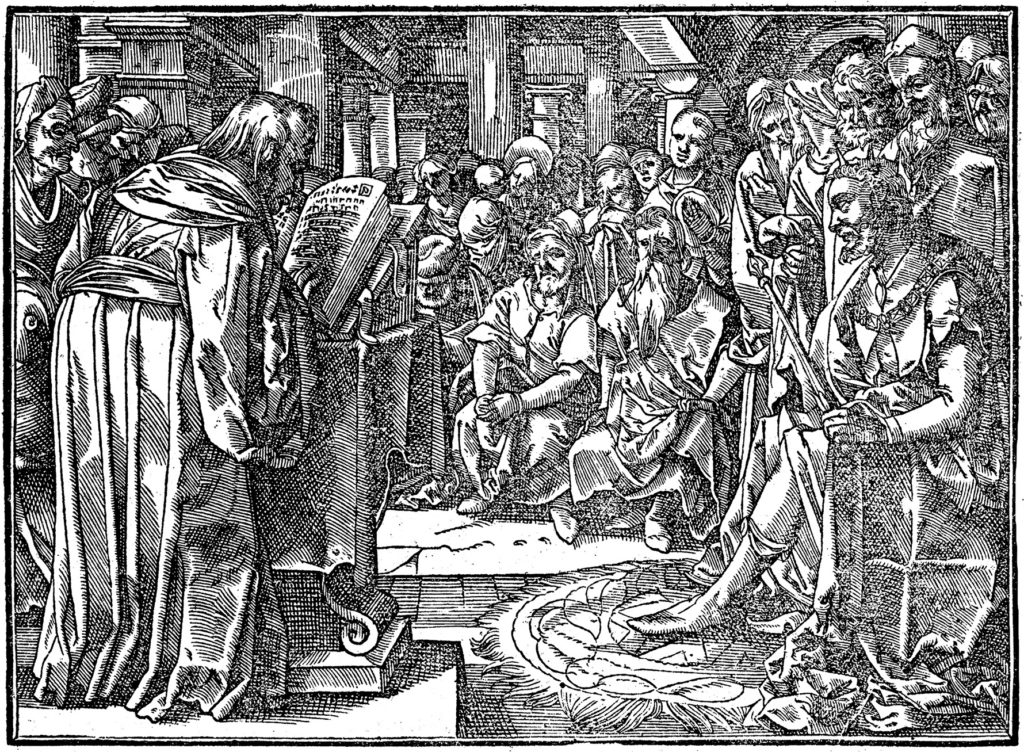
The ancient series of lessons and prayers referenced by the Book of Concord is the Church’s historic Lectionary, a series of appointed Bible readings (lections), psalm verses, and prayers to be used within the Divine Service for nearly every day of the Church Year.
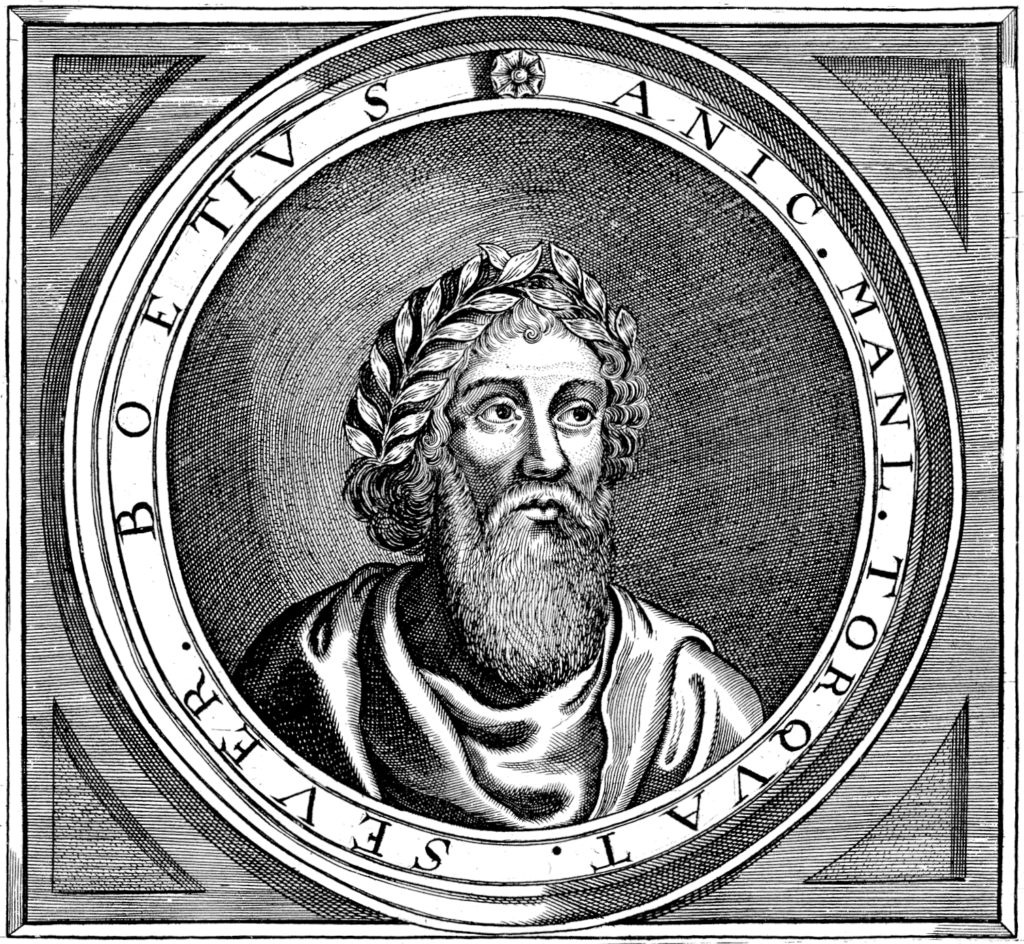
Banquet with Boethius: Right Pursuits and Right Education
Do not seek how he will live a long life here, but how he will live a boundless and endless life there. Give him the great things, not the little things.
Art in Our Lutheran Churches
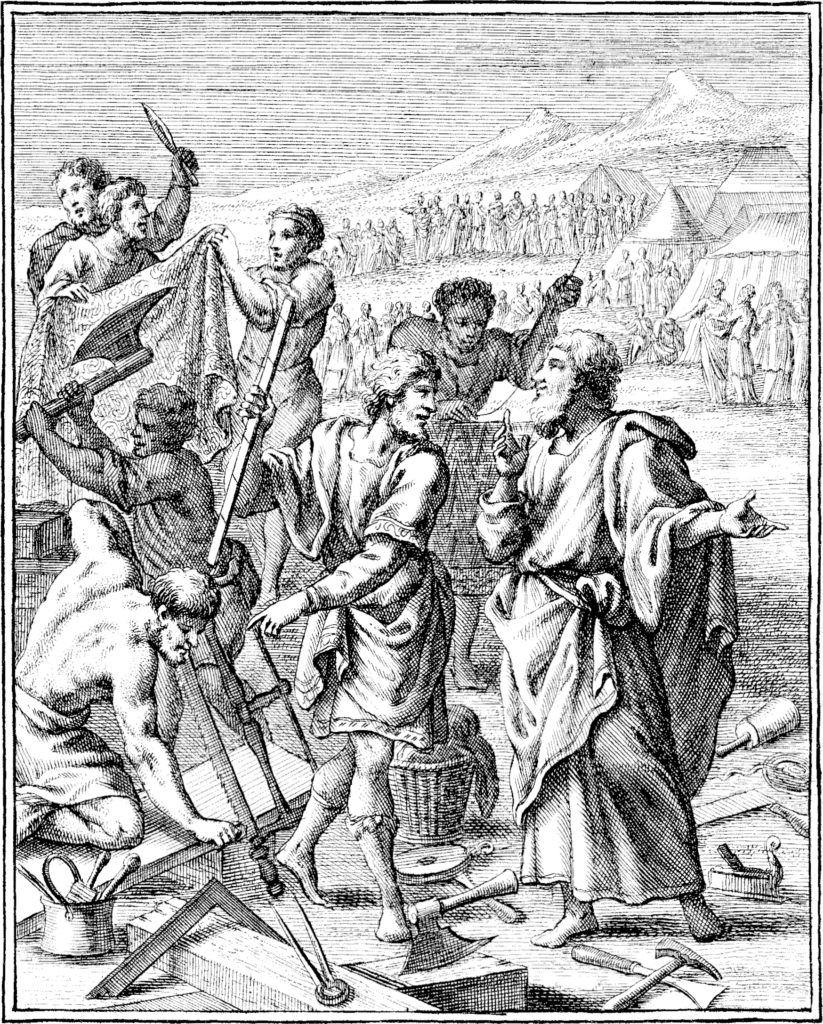
In our contemporary culture, glutted as it is with cheap, fake images and thoroughly starved of real beauty, Lutherans would be wise to recover not only the pedagogical dimensions of art to teach, but the metaphysical power of art to communicate via beauty.
From Discipline to Self-Discipline
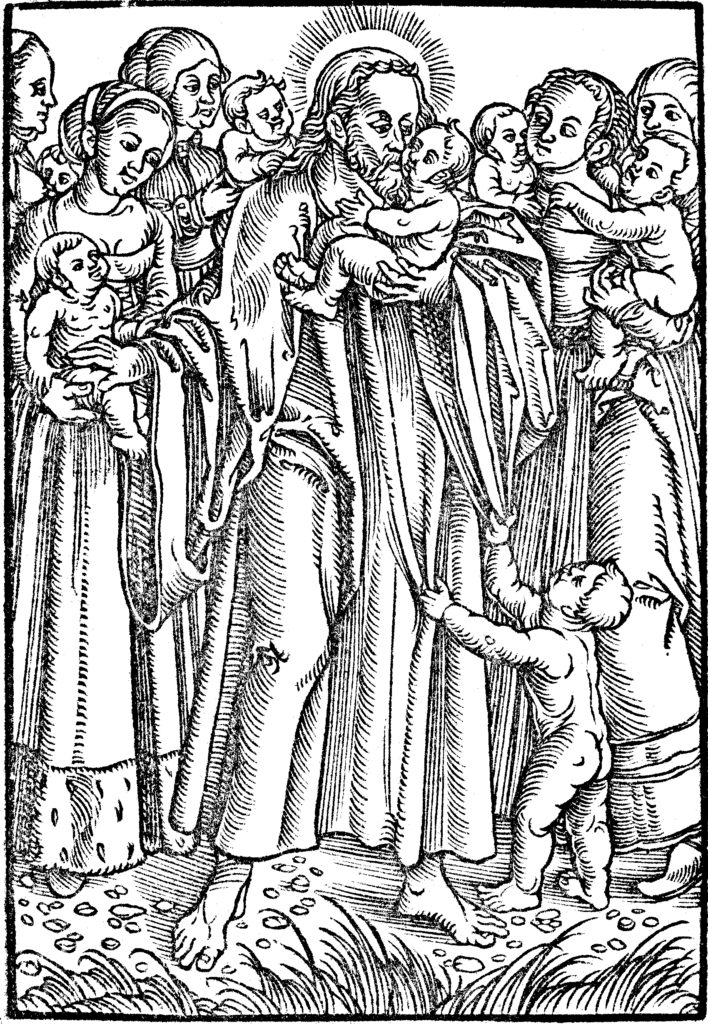
You cannot discipline your child until you have first disciplined yourself.
The Fight for the Christian School as a Fight for the Christian Worldview

It is obvious from the outset that it is of the fundamental character of the public school to be literally godless, that is, without God!
Getting to Know the Fathers: St. Cyril of Jerusalem

Throughout his teaching, moreover, Cyril shows a depth of Biblical fluency, connecting multiple events, figures, and prophecies from throughout the Old and New Testaments to the topics at hand.
The So-Called “Social Gospel”
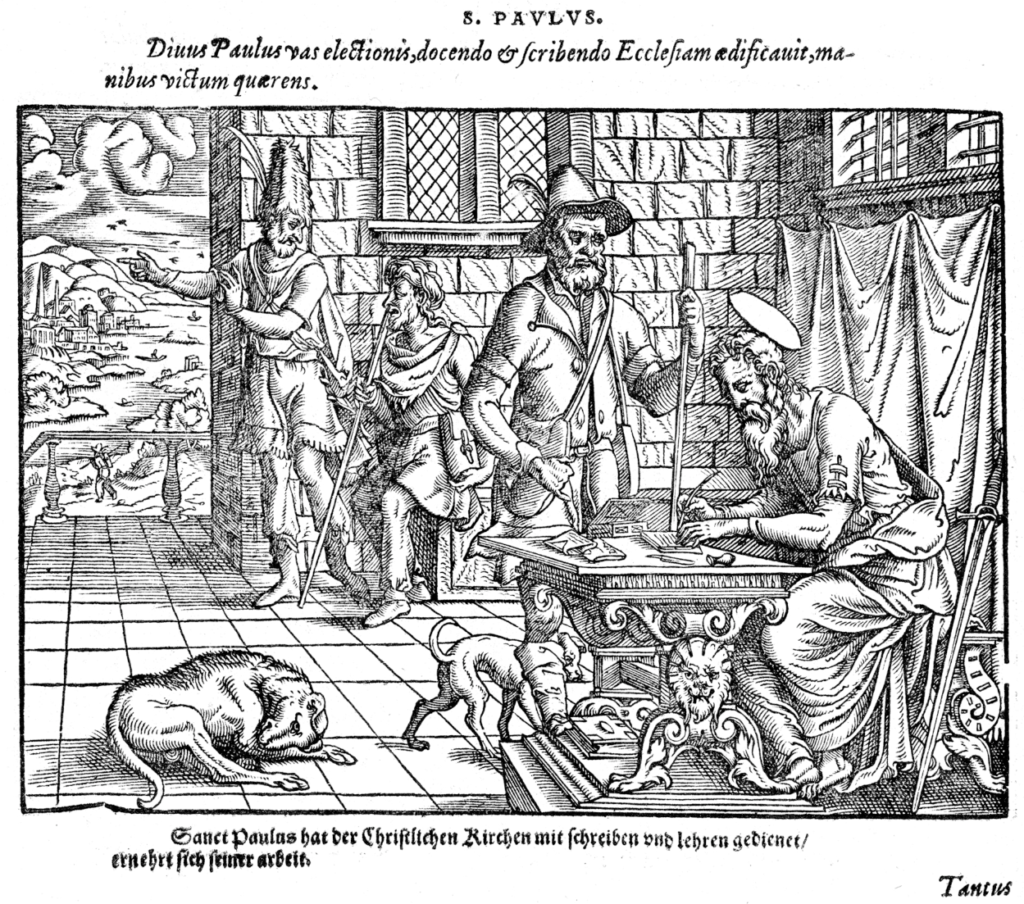
So that is the aim of the social gospel, to establish the kingdom of Christ, the kingdom of heaven, the kingdom of God here on earth, as an outward visible organization.
Reformation of Education in Wittenberg: A Model for Today
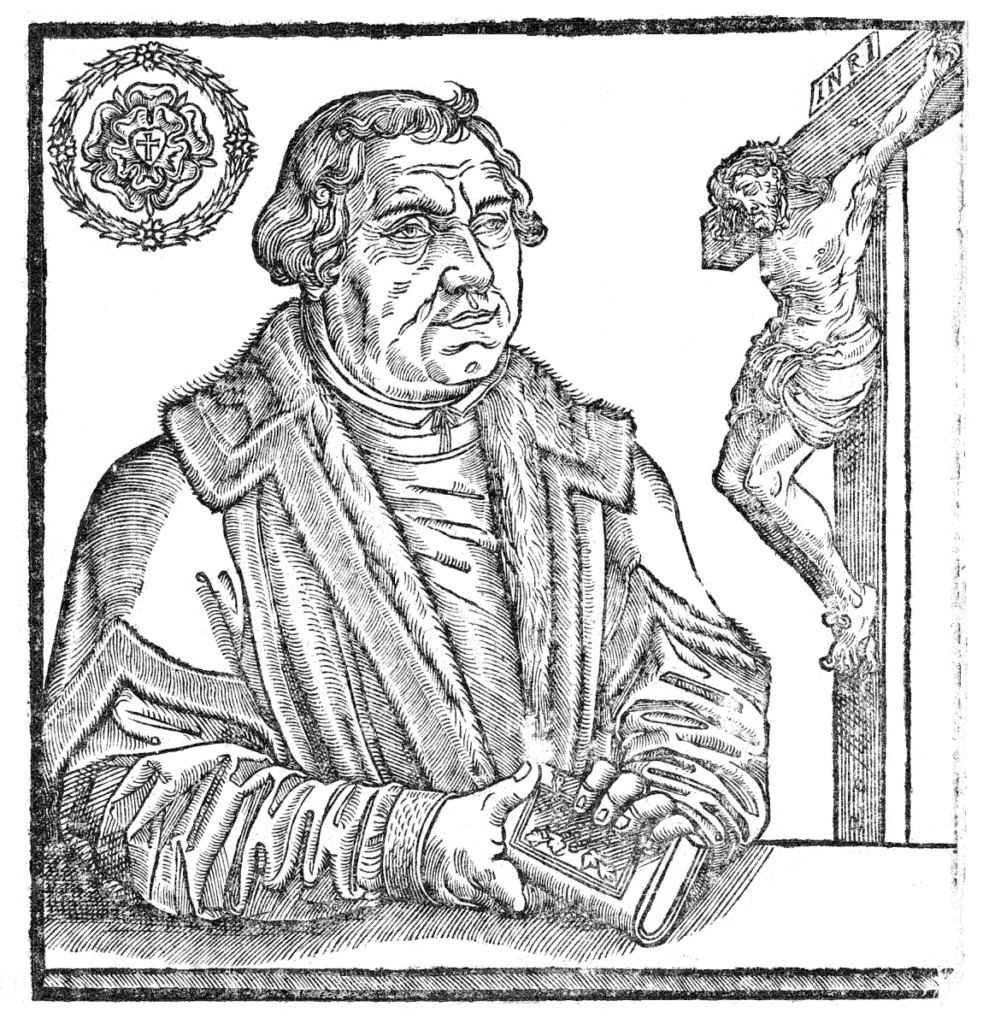
The students flocked to Wittenberg because they wanted a serious and practical education that would prepare them to live life in the home and the state and the church. Students today are looking for the same thing, and they are finding it in classical colleges.